Loading image...
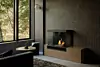
 © FUFU KYU-KARUIZAWA Restful Forest
 Ethanol Burners
The core of our fireplaces
The core of all of our bioethanol fireplaces, offering the ultimate in design and installation flexibility. Flue-less, vent-free, powered by clean-burning renewable energy, EcoSmart’s bioethanol burners enable easy integration into bespoke settings. The residential and commercial design possibilities are endless.
Models
Showing 9 items of 9
AB3 Ethanol Burner
AB8 Ethanol Burner
BK5 Ethanol Burner
XS340 Ethanol Burner
XL500 Ethanol Burner
XL700 Ethanol Burner
XL900 Ethanol Burner
XL1200 Ethanol Burner
VB2 Ethanol Burner

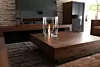


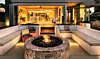








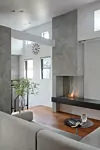








Loading image...

 © UFU KYU-KARUIZAWA Restful Forest
 The perfect fit
The streamlined design of the products synchronises effortlessly within award-winning architectural projects.
Loading image...
Loading image...

 © FUFU KYU-KARUIZAWA Restful Forest
 No connections
Light up outdoor spaces with a soft, alluring glow - easily and efficiently, without cumbersome connections.
Loading image...


Magnify your space
See-through open fires provide a distinctive design element and enhance the feeling of space.
Loading image...

Loading image...

Loading image...
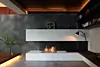

Flexibility
EcoSmart ethanol burners can be installed just about anywhere.
Buy today, light tonight
Our O-TL Listed, EN 16647 BSI Certified ethanol fires are installed and operated in a matter of minutes. Completely self-contained, ethanol provides the freedom to relocate your fire as desired without any limitations.
Loading image...
No flue, no chimney, no vent
No vent or flue required, which stops heat from escaping. Increase heat output by closing the dampener or sealing off the flue with a metal plate.
Loading image...

 © Park Hyatt Niseko Hanazono
 Maximum quality
EcoSmart is the product of choice by many world-renowned architects and designers.
Styled by Our Clients
Loading image...

Loading image...

Loading image...

Loading image...

Loading image...

Loading image...

Loading image...

Loading image...

Loading image...

Learn More
FAQ's
What materials can I use around an ethanol burner?
Use only non-combustible materials in direct contact with EcoSmart Fire ethanol burners. Approved options include steel, iron, brick, natural stone (marble, limestone, slate, granite), concrete, glass, and fire-rated plasterboard. Natural timbers like walnut and oak can be used with appropriate clearances maintained.
Avoid wallpaper, laminate, veneer, and heat-sensitive surfaces in direct contact. The burner system includes a Top Tray (required for all indoor installations) that protects surrounding finishes and contains spills, enabling material flexibility in your design.
For architectural installations, maintain these clearances: 600 mm [23.6 in] to fixed furniture; 1,500 mm [59.1 in] from flammable or movable materials indoors (curtains, soft furnishings); 1,500 mm [59.1 in] overhead indoors; 2,000 mm [78.7 in] overhead outdoors. Custom fireboxes require 20 mm [0.8 in] air gaps on all sides. Toughened glass screens can be used with a 40 mm [1.6 in] air gap for airflow.
EcoSmart Fire ethanol burns without smoke, soot, or ash, so your chosen materials remain pristine.
Can I build my own fireplace surround for an ethanol burner?
You can absolutely create a custom fireplace surround for EcoSmart Fire ethanol burners, but your design and installation must meet the strict safety, stability, clearance, and ventilation requirements detailed in the EcoSmart Fire manual. Professional installation and adherence to local building codes are essential for safe and compliant operation.
Do ethanol burners require ventilation or a chimney?
EcoSmart Fire ethanol burners require no chimney, flue, or ventilation duct. Though bioethanol combustion produces water vapour and minimal carbon dioxide, adequate room ventilation ensures safe operation. No structural extraction system is needed; it produces no smoke, soot, or ash.
The ventilation requirement is functional, not structural. The burner opening must remain unobstructed to allow adequate oxygen to reach the flame, but this is simple air intake, not complex ducting. You do not need to install pipes, vents, or connect to external systems.
Indoor installations require adequate room ventilation, meaning your space must meet minimum volume requirements based on the burner size. This ensures sufficient oxygen for combustion and heat dissipation. Minimum room sizes range from 40 m³ [1,413 ft³] for compact burners up to 115 m³ [4,059 ft³] for larger models. These thresholds reflect certified safety standards that ensure optimal flame performance and occupant comfort. Because ethanol burners produce minimal emissions, you avoid the costly infrastructure (structural engineering, HVAC coordination, chimney construction) that traditional fireplaces demand. The absence of structural ventilation requirements makes installation flexible: ethanol burners can fit into cabinetry, islands, or unconventional spaces where gas or wood fireplaces are impractical.
How long do ethanol burners burn on a full tank?
EcoSmart Fire ethanol burners burn between 5 and 14 hours on a full tank, depending on model size and flame height settings. Smaller burners with 2.5-litre tanks deliver around 5–11 hours; mid-range 5-litre models provide 7–13 hours; larger 9–10-litre burners run 8–14 hours. Fuel consumption varies between 0.31 and 0.87 litres per hour based on flame setting.
Your actual burn time depends on two factors: fuel capacity and how you set the flame height. Running the burner at maximum heat consumes fuel faster, while lowering the flame extends duration. This means you control the balance between ambience and longevity during an evening gathering or overnight setting.
Many EcoSmart Fire burners feature baffle inserts and precision flame regulators that stabilise the flame and optimise combustion efficiency, which helps extend operating time at lower settings without sacrificing visual quality. Before refuelling, always allow the burner to cool completely to ensure safe handling and protect the burner's internal components from thermal stress.
How is bioethanol fuel made and why is it sustainable?
Bioethanol is made by fermenting renewable plant sugars or starches, typically from sugar cane, grain, or corn, with yeast. The fermentation produces ethanol and carbon dioxide; the raw ethanol is then distilled to 99.5% purity and dehydrated to below 0.5% water content, ensuring the consistency required for safe indoor combustion. Production by-products are repurposed: CO2 is captured for industrial use; agricultural residues become animal feed or additional energy.
The sustainability logic rests on a closed-loop carbon cycle. CO2 released during combustion is offset by CO2 absorbed during plant growth, resulting in net-zero emissions over time. Because feedstocks regenerate annually, bioethanol achieves a substantially lower carbon footprint than fossil fuels. First-generation bioethanol (from food crops) reduces greenhouse gas emissions by 50-80% versus petrol; second-generation (from agricultural residue) achieves 80%+ reduction.
For EcoSmart Fire, this matters beyond the environmental case. Clean combustion produces only heat, water vapour, and CO2: no smoke, soot, or ash, eliminating the need for a chimney or ventilation ductwork. This gives architects and homeowners complete design freedom: fireplaces can sit island-style, within walls, or beneath ceilings without structural constraint. EcoSmart Fire burners are engineered around bioethanol's precise combustion properties, ensuring safe and consistent performance across every installation.
How do I clean my EcoSmart Fire ethanol burner?
Clean your EcoSmart Fire ethanol burner after you've used approximately 50 litres (13.2 gallons) of fuel, or as soon as you notice black residue forming around the burner opening. This straightforward maintenance keeps your flame looking crisp and ensures reliable ignition.
Ensure the burner is fully cool before you begin, then empty any remaining ethanol from the reservoir responsibly. You have two cleaning options: place the burner face-down in your dishwasher on a standard cycle with the lid open, or hand-wash it in hot water with mild dish soap, rinse thoroughly under running water, and air-dry completely. Drying is essential - any moisture left in the burner will interfere with fresh fuel and prevent proper ignition. If black deposits have built up on the exterior, use a soft brush to push material toward the interior, vacuum out the debris, then wipe down with a stainless steel cleaner applied along the grain direction. Finish with a clean cloth and a protective stainless steel wipe to restore the aesthetic finish. Once the burner is completely dry, refill with e-NRG Bioethanol to the maximum fill line and you're ready to use.
If water contamination occurs (from spills or humidity exposure), follow the same cleaning and thorough drying protocol before refuelling.
What type of fuel should I use in my ethanol burner?
Use only e-NRG bioethanol fuel in your EcoSmart Fire ethanol burner. Formulated to a 96–97% alcohol purity standard, e-NRG produces the clean burning performance that EcoSmart Fire burners are precision-engineered for. Lower-purity formulations leave residue, produce odour, and diminish flame vibrancy, ultimately risking damage to your burner and warranty coverage.
Fuel purity matters because EcoSmart Fire's burner design relies on consistent combustion chemistry. At the correct purity level, the only by-products are heat, steam, and CO2. Below that threshold, incomplete combustion creates the odour and residue issues that give bioethanol an undeserved reputation.
e-NRG bottles come with flame arresters fitted as standard, and the refuelling process is straightforward and safe. Your burner's vibrant orange flame and extended burn time depend on fuel quality that only e-NRG provides. Using other bioethanol brands or alternative fuels may damage your burner and void your warranty.
Can ethanol burner kits be used in outdoor installations?
Yes. EcoSmart Fire's clean-burning ethanol burner kits are engineered for both indoor and outdoor use across their full range (AB3, AB8, XL900, XL700, XL500, XL1200, and others), with Grade 304 stainless steel construction that resists corrosion in outdoor conditions.
Outdoor installation offers complete placement freedom: no chimney, gas connection, or flue ductwork needed. Position your burner on stable, non-combustible surfaces only: concrete, stone, tile, or brick. Maintain 600 mm [23.6 in] clearance from adjacent furniture and 2,000 mm [78.7 in] overhead clearance to movable items like tree branches.
Protect from wind exposure, which intensifies flames and destabilises the burn pattern. Rainwater is the primary outdoor consideration; cover your burner with the supplied lid and optional silicone cover when not in use. If rainwater enters the fuel chamber, drain and clean before relighting.
How much does it cost to maintain an ethanol fireplace?
The maintenance cost for an EcoSmart Fire ethanol fireplace is essentially zero beyond inexpensive, do-it-yourself cleaning. The burner requires hand-washing with warm water and mild dish soap (or can go in the dishwasher) after approximately 50 litres of fuel consumed or when black residue appears around the burner opening. This cleaning takes minutes and uses materials you already have at home.
The 304 stainless steel construction is built to last a lifetime under normal use, with no replacement parts required or recurring consumables beyond bioethanol fuel itself. The tank won't corrode or degrade if kept closed when not in use, protecting against debris and extending durability indefinitely.
If your fireplace features a powder-coated surround, apply clear polymer car wax twice yearly to maintain the finish. Concrete fire tables require penetrating sealer every six months in residential settings. These are minimal investments compared to traditional heating alternatives, and they protect the appearance, not the core function.
The clean-burning nature of the system means no soot accumulation on surrounding walls or ceilings, so maintenance stays focused on the burner itself. The engineering and materials quality are designed to eliminate expensive service calls, replacement components, and ongoing upkeep costs that define ownership of other heating and ambience solutions.
Flame Height of Ethanol Burners
Flame height in bioethanol burners is controlled primarily by the level of ethanol in the tank; more fuel creates a taller flame. Fill to the maximum fill line for the brightest, most visually striking flame; fill less for a smaller, more intimate flame.
Expect a short, small flame when you first ignite the burner. This is normal. Full flame height develops after a short warm-up period as the burner and fuel reach working temperature, creating a gradual brightening effect as combustion stabilises.
For finer control, EcoSmart Fire burners offer design-specific adjustments. BK5 burners provide three discrete flame settings via the lighting rod and circular ring mechanism. XL series burners feature adjustable baffle inserts that regulate flame behaviour and create an elongated, linear flame aesthetic rather than vertical height. Follow your burner's instructions when adjusting baffles to ensure stable, even combustion.
Fuel quality directly influences flame appearance. e-NRG bioethanol is purpose-formulated for EcoSmart Fire burners to produce a consistently vibrant, full flame; other bioethanol brands are the most common cause of disappointing flame performance.