Loading image...

Bioethanol Fuel
The highest quality bioethanol fuel available
Formulated for use in ventless bioethanol fireplaces, e-NRG is the cleanest, most efficient liquid ethanol fuel on the market and produces the best flame each and every time.
Models
Showing 13 items of 13
e-NRG Bioethanol Fuel
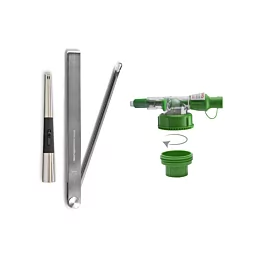
Fuelling & Lighting Kit
Complete Fuelling Bundle
Fire Starter Bundle
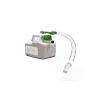
Fuelling Kit
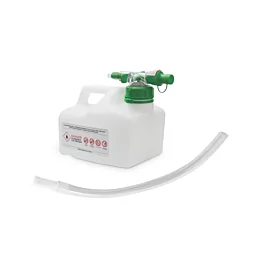
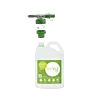
Jerry Can 5L
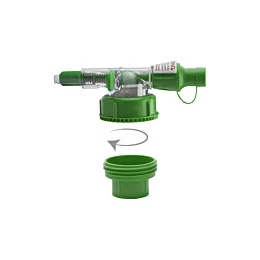
Jerry Can Spout Extension
Bottle Adaptor
Fire Lighter
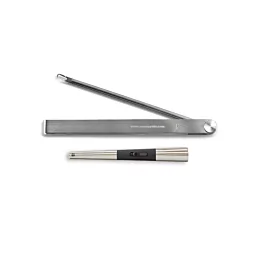
Lighting Rod
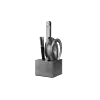
Accessory Holder
Accessory Holder Black













Related Collections
Learn More
FAQ's
What is a flame arrester and why does e-NRG include one in every bottle?
A flame arrester is a mechanical safety device built into the bottle that stops fuel igniting if it contacts a spark or flame during refuelling, the most hazardous phase of bioethanol fireplace use. When you pour fuel, flames can travel back into the container in a dangerous phenomenon called flashback. The flame arrester eliminates this risk by preventing ignition inside the bottle.
As a renewable energy source, bioethanol burns cleanly, but refuelling still requires careful handling. Australia's ACCC specifically mandates flame arresters in bioethanol fuel containers, and e-NRG goes beyond compliance. Rather than treating the arrester as an add-on, e-NRG integrates it directly into the proprietary Safety Spout system, meaning every bottle ships with the protection already in place. This design also enables faster refuelling without compromising safety. You get uncompromised protection every time you refuel, with no extra steps required.
e-NRG's built-in flame arrester reflects the brand's broader safety commitment, evident from its trusted use in luxury hospitality. W Hotels, Ritz-Carlton, Marriott, Four Seasons, Hyatt, and Hilton all rely on e-NRG for guest-facing bioethanol fireplaces, where safety and consistent performance are non-negotiable.
Can I use isopropyl alcohol or denatured spirits instead of bioethanol fuel?
No. Isopropyl alcohol and denatured spirits are not suitable replacements for e-NRG Bioethanol. They're chemically incompatible with fireplace burner engineering, carry different flash points and combustion profiles, and will damage your appliance over time.
Fireplace burners are precisely engineered for anhydrous ethanol (less than 1% water content). Isopropyl alcohol and denatured spirits contain additives, impurities, and higher water content that leave residue in the burner chamber. Even after switching back to e-NRG, this residue continues to degrade flame performance: you'll see dimmer, lower, or flickering flames, and the appliance requires full burner disassembly and cleaning before it performs correctly again.
Using non-designated fuels also voids your warranty and manufacturer liability coverage. MAD Design Group is not responsible for damage caused by incorrect fuel. The cost of professional burner cleaning, potential replacement components, and lost warranty protection far outweighs any short-term savings from substitution. Only e-NRG Bioethanol is formulated to deliver clean, odour-free combustion and reliable flame performance across the full lifecycle of your fireplace.
What is bioethanol fuel and how is it different from regular ethanol?
Bioethanol fuel is a plant-derived, renewable energy source produced by fermenting sugars from crops like sugarcane, corn, and grain, then refined into a fuel-grade alcohol formulated for clean combustion in ventless fireplaces. Regular or industrial ethanol can come from petrochemical processes and often contains higher water content or impurities that cause odour, soot, and incomplete burning indoors.
The difference comes down to feedstock and formulation. e-NRG is produced to an anhydrous standard, with less than 1% water, so the flame burns hot, bright, and consistent. Choosing a fuel specifically engineered for certified bioethanol appliances, like e-NRG, ensures the flame performance and safety margins that UL 1370 and EN 16647 require.
What purity level of bioethanol fuel should I use in my fireplace?
Ventless fireplaces require a purpose-formulated renewable energy source: bioethanol at 96-97% purity. e-NRG is produced to this standard and is the only fuel formulated and tested for use with EcoSmart Fire appliances.
A few practical points for responsible use:
- Avoid gas-station or industrial ethanol. It is not formulated for indoor flame appliances and performs nothing like e-NRG inside a burner.
- Avoid gel fuels and thickened alcohols. They reduce heat output, leave sticky residue, and void burner warranty.
- Untested supermarket bioethanol varies in purity and additives, producing a lower, dimmer flame and residue that lingers in the burner even after switching back.
A quick visual check: quality bioethanol is clear, colourless, and virtually odourless when cold.
Does bioethanol fuel produce smoke, odor, or harmful emissions?
Bioethanol fuel produces only heat, water vapour, and carbon dioxide when burned: no smoke, soot, or ash. You may notice a minimal, barely perceptible scent only at ignition and extinguishing; this is normal for high-quality ethanol formulations.
Unlike wood fires or traditional gas fireplaces, e-NRG bioethanol fireplaces produce no residue or emissions that damage surrounding surfaces or degrade indoor air quality. The combustion process is clean and complete, certified to UL 1370 (USA), EN 16647 (Europe/UK), and ACCC safety standards (Australia). This makes them safe for indoor and ventless installation.
Adequate ventilation is required because any fire consumes oxygen: minimum 5.7 m³ [200 ft³] of air per 1,000 BTU/hour of appliance rating. If your room is smaller than this volume, you can crack a window to at least 25.4 mm [1 in.] or leave doors to adjacent rooms open. Like any combustion appliance, consider consulting a physician if anyone in your household has significant respiratory sensitivities; this applies equally to wood fires or gas appliances. Always use e-NRG branded fuel to ensure consistent, clean combustion. Non-approved fuels may affect emission performance.
Why is 96–97% alcohol content important for bioethanol fuel?
96-97% alcohol content is the combustion efficiency sweet spot for bioethanol fuel: it's the purity band where the fuel burns cleanly and predictably, with no soot, no chemical odour during the burn, and a stable orange flame. Push the alcohol content lower or higher and the burn quality drops in visible, practical ways.
The difference shows up in three clear outcomes:
- Below 96%: combustion stays incomplete. Heavier alcohols pass through unburned, releasing a sharp chemical odour while the flame is alive and laying black soot on the burner's stainless steel and glass. The residue lingers, so the burner needs cleaning even after switching to a higher-purity fuel.
- 96-97%: combustion completes. The fuel converts to heat, water vapour, and CO2, with no fusel alcohols left over. Expect a vibrant, consistent orange flame, a stable burn, and any faint scent confined to the moments of ignition and extinguishing, which is normal for high-quality ethanol.
- Above 97%: the fuel evaporates too quickly. Combustion turns aggressive and unstable, and that volatility wears on burner seals over time.
The remaining 3-4% water content is doing useful work, slowing evaporation and steadying the flame. e-NRG is formulated and batch-tested to sit inside this window every time, managing both risks in a single formulation.
Does bio ethanol fuel produce any toxic emissions?
No. As a renewable energy source, e-NRG bioethanol combustion produces no toxic compounds. Unlike wood fires (which emit carbon monoxide and particulates) and gas systems (which produce nitrogen oxides), bioethanol burns completely to heat, water vapour, and minimal CO₂, the same byproducts of human respiration.
Bioethanol's clean combustion comes from its molecular structure: when pure ethanol (96–97% alcohol content) burns, it undergoes complete oxidation with oxygen, leaving no carbon monoxide, nitrogen oxides, volatile organic compounds, or particulate matter. This is why bioethanol fireplaces operate safely indoors without requiring a flue or external venting to remove toxins.
The distinction matters for indoor air quality. Wood fires release carcinogenic particulates that settle on surfaces and linger in air. Gas heaters produce invisible nitrogen oxides requiring ventilation. Bioethanol eliminates both hazards at the combustion stage. There is nothing toxic to vent away.
Ventilation requirements for e-NRG installations address oxygen replenishment for room air quality, not toxin removal. This safety feature, combined with UL 1370 certification, makes bioethanol fireplaces suitable for indoor and outdoor use without the air quality compromises of traditional heating.
What is e-NRG Bioethanol?
e-NRG bioethanol is a high-quality, clean-burning fuel specifically formulated for use in liquid ethanol-fuelled ventless fireplaces. Also known as denatured alcohol or ethanol, bioethanol is a naturally derived fuel made from fermented plant sugars. e-NRG is the only brand of bioethanol that has been tested with and recommended for use in EcoSmart Fire burners. The burning of this fuel creates nothing more than heat, water vapour and carbon dioxide – a cleaner heating solution for you and the environment.
How does e-NRG bioethanol compare to other fuel brands?
e-NRG bioethanol fuel stands out from generic alternatives through rigorous purity control, precision formulation, and integration with EcoSmart Fire burners - using any other brand voids the warranty and risks appliance damage.
Bioethanol fuel quality varies significantly across brands. e-NRG maintains 96-97% alcohol content, which is optimal for complete combustion and long burner life. Below that threshold, incomplete combustion leaves residue, odour, and reduced heat output. Above 97%, fuel burns too rapidly and degrades burner seals over time. Generic fuels often lack this precision, and cheaper industrial methylated spirits introduce impurities that accumulate in your burner.
The remaining 3-4% in e-NRG consists of water and balanced denaturants (including isopropyl and methyl alcohol) that produce the bright orange flame bioethanol fireplaces are known for. e-NRG openly publishes its formulation approach and ingredient rationale - this transparency allows you to know exactly what you're using and how it'll perform, compared to generic fuels with undisclosed compositions.
e-NRG holds three major safety certifications - UL 1370 (USA), EN 16647 (Europe/UK), and ACCC certification (Australia) - all tested and verified together with EcoSmart Fire burners as an integrated system. This integrated fuel-burner certification means every EcoSmart Fire fireplace is tested and certified for use with e-NRG fuel. The flame performance question is explored in a related FAQ, but the brand consistency matters: e-NRG delivers reliable burn time, minimal odour, and zero residue - advantages that compound over years of use.
What is bioethanol fuel made of?
e-NRG bioethanol is a renewable energy source produced from 96–97% pure ethanol by volume, with the remainder consisting of water and safety denaturants. The fuel is made by fermenting dedicated corn crops to convert plant sugars into ethanol, then refined through multi-stage distillation to precise specifications.
This narrow purity range is engineered for performance and safety. Below 96%, incomplete combustion creates odours and soot, requiring extra maintenance. Above 97%, the fuel evaporates too rapidly, potentially compromising burner seals. The 96–97% range is the engineered sweet spot that balances thermal efficiency with reliability.
The denaturants (such as Bitrex or methanol) are added at minimal levels to meet safety compliance requirements without affecting flame quality or odour. e-NRG’s production chain includes batch testing for impurities and moisture, ensuring consistent quality across every bottle.
When burned, e-NRG bioethanol combusts cleanly to produce only heat, water vapour, and carbon dioxide. There is no soot, smoke, ash, or toxic emissions. The process is carbon neutral: the CO₂ released during combustion equals the CO₂ absorbed by the corn crops during growth.