Loading image...
 © Grant Woodruff at Renowned Group
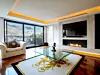
 Why a single-sided fireplace suits open-plan living
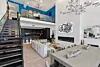
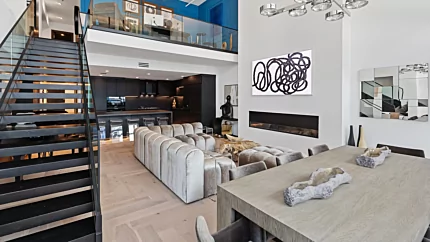
Open-plan interiors remain one of the most enduring formats in residential design, most commonly used to blend kitchen and living spaces, as Dezeen’s editors have documented across years of project coverage. The format trades enclosure for connection, and that trade has a cost: with no walls dividing the zones, there’s no natural focal point either. Furniture can be rearranged, the television migrates, the dining table drifts. Nothing is fixed.
A single-sided fireplace gives the room its fixed point. Unlike a double-sided or open-format fire, it concentrates the flame into one framed elevation, so attention isn’t split between two zones competing for the same fire. The lounge gets the full view; the kitchen and dining areas get the glow at the edge of their sightline. If you’re still weighing one viewing face against two, that decision deserves to be settled before placement enters the picture, because the viewing style shapes everything that follows.
The other quality that makes the format work in open plans is what it doesn’t need. A bioethanol single-sided unit burns without a flue, chimney, gas line, or hardwired connection, which means the placement conversation starts from design intent rather than from where the services happen to run. ArchDaily’s 2025 editorial history of fireplaces in architecture observed that bioethanol systems allow greater flexibility in form and placement precisely because they remove the dependence on chimneys and traditional ventilation, and that the hearth builds intimacy within open plans. That flexibility is the foundation the rest of this article builds on.