Featured Articles

All Articles
Showing 80 items of 80
Explore the sleek and modular Gin 90 outdoor furniture line, perfect for creating stylish and functional outdoor living spaces.
Transform your home office into a productive and inspiring workspace with our five easy and effective refreshing strategies.
Your heating solution should do more than just warm a space, it should elevate it. Here’s how to heat your home in style, with smart solutions that meet the demands of modern living.
Discover expert tips on choosing the ideal finish to enhance the beauty and durability of your furniture pieces.
Your fireplace isn't merely a heating source - it's the centrepiece of your living area, a space that invites relaxation and encourages social gatherings. By thoughtfully customising your fireplace, you can elevate its aesthetic appeal and reflect your personal style.
Discover how to transform your traditional wood or gas fireplace into an eco-friendly, efficient heating solution.
Learn everything you need to know to select the ideal fire pit for your outdoor space and lifestyle.
Explore a range of energy-efficient heating options to reduce your carbon footprint and save on utility costs.
Stay ahead of the curve with the five hottest fireplace trends for a stylish and modern home update.
Discover the benefits and endless possibilities of Flex modular furniture for adaptable and stylish living spaces.
Explore the top 10 advantages of owning a fire table, from ambiance to functionality, for your outdoor living area.
Discover the benefits and design principles of broken-plan living, a modern approach to open-concept spaces.
Explore home improvement design trends in a post-pandemic world where people invest in creating spaces that reflect their lifestyles, values and aspirations.
Gone are the days of minimalist styling - it’s time for bold and beautiful statement pieces. This design movement is fast gaining traction in residential and commercial settings the world over.
Learn how to pivot your restaurant business to create a thriving outdoor dining experience during challenging times.
Discover the advantages of renovating your current home instead of moving, from increased value to personalised spaces.
Enjoy the best of both worlds with our transformative collection that serves as a practical table during the day and morphs into a comforting fire pit under the night sky.
For generations, homeowners have desired the warmth and ambience of a fireplace, but traditional options have always imposed significant design limitations. Modern ethanol fireplaces have revolutionised this experience, offering unprecedented design freedom without the need for chimneys or flues.
The beauty of a bioethanol fireplace lies in its remarkable versatility. Unlike traditional fireplaces that are permanently fixed to one location, many ethanol fireplace models can transition seamlessly between indoor and outdoor environments.
The evolution of fireplace design has witnessed a remarkable transformation over the past two decades. As architects and homeowners increasingly seek sustainable solutions that don't compromise on aesthetics, bioethanol fireplaces have emerged as an innovative marriage of eco-conscious design and sophisticated luxury.
Whether you're renovating a heritage home or designing a contemporary space, understanding how to select the ideal bioethanol fireplace will transform both the aesthetic and comfort of your living environment.
In the realm of modern home design, fireplaces have evolved from mere heat sources to sophisticated focal points that seamlessly blend form and function. As homeowners seek to enhance their living spaces, the choice between ventless and vented fireplaces becomes crucial, impacting efficiency, air quality, and design freedom.
Whether you're renovating an existing space or planning a new build, understanding how to design around a ventless fireplace can elevate your living environment in ways that traditional fireplaces simply cannot match.
There's something undeniably captivating about the dancing flames of a fireplace. The warm glow that transforms a house into a home, creating an ambience that no other feature can quite replicate. Yet as our awareness of environmental impact grows and our homes become more thoughtfully designed, many homeowners find themselves questioning whether traditional fireplaces still deserve their cherished place in modern living spaces.
In an era where environmental consciousness shapes our lifestyle choices, the way we heat our homes has evolved dramatically.
Ethanol fireplaces have revolutionised home heating, offering remarkable design flexibility and environmental benefits without the constraints of traditional fireplaces.
Ventless fireplace inserts have revolutionised home heating and ambience, offering sophisticated solutions that combine authentic flame experiences with unprecedented installation flexibility.
In today's environmentally conscious world, homeowners are increasingly seeking sustainable alternatives for their living spaces without compromising on style or comfort. The fireplace, traditionally a source of warmth and ambience but also environmental concerns, has undergone a remarkable transformation in recent years.
Whether you're renovating an existing fireplace or installing a new one, understanding the available materials, textures, and design options will help you create a stunning focal point that enhances your living space.
There's something magical about a space that flows seamlessly from inside to out. When the boundaries between your interior and exterior living areas blur, your home expands, your lifestyle transforms, and everyday moments become more connected to both comfort and nature.
There's something magical about a dancing flame that transforms an apartment from a simple living space into a true sanctuary. In today's multi-residential settings, fireplaces have evolved beyond their traditional role as mere heat sources to become captivating design elements that create instant atmosphere and connection.
The right indoor fireplace doesn't just heat your home-it becomes the heart of your living space, a gathering point for connection and comfort. If you're considering a new fireplace for your interior, understanding the key differences between ethanol, electric, and wood options will help you create the perfect ambience in your home.
Few features transform a living space quite like an indoor fireplace. Whether you're designing a serene retreat or an entertainer's paradise, a fireplace draws the eye and brings people together.
Creating a multi-functional outdoor environment around your fireplace isn't just about adding warmth; it's about crafting experiences that linger in memory long after the evening ends.
Since our launch in 2004, we've continually set benchmarks in design, safety, and sustainability, evolving from our bioethanol beginnings to offering versatile fuel options. With over 150,000 installations worldwide, our commitment to excellence remains unwavering.
A comprehensive guide to ethanol fireplaces, covering their benefits, safety tips, installation, and maintenance for modern, eco-friendly home heating.
When considering investments that genuinely enhance your property's market value, built-in fireplaces represent one of the most compelling opportunities available to discerning homeowners.
Choosing the perfect fireplace for your home involves more than simply deciding between wood or gas.
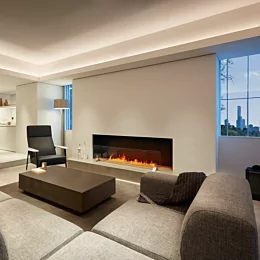
How to style a living room around a freestanding bioethanol fireplace — placement, clearances, model selection, and material pairings.
Choosing a fire table shouldn't feel overwhelming. Yet most buyers find themselves lost in a maze of fuel comparisons, safety jargon, and conflicting advice. This comprehensive guide answers every question, helping you select a fire table that delivers warmth, ambiance, and lasting value.
There's something primal and deeply satisfying about gathering around fire - it transforms any outdoor area into a magnetic gathering point where conversations flow as freely as the flickering light.
Understanding the journey from farm to flame reveals why fuel quality makes such a profound difference in your fireplace experience.
Imagine the freedom to create an intimate gathering space wherever inspiration strikes - whether it's transforming your living room for an evening soirée, adding warmth to your study during the winter months
Outdoor fire features are more than just design statements - they’re about bringing people together, elevating the atmosphere, and crafting an enduring impression. But behind the scenes, design professionals know the real challenge: balancing creativity with the need for reliable, efficient project delivery.
A fireplace has always been the heart of a refined home - a source of warmth, ambience, and connection. Yet, there’s something quietly revolutionary about transforming a traditional wood-burning fireplace with a modern, self-contained bioethanol grate insert.
Fire has captivated us since the dawn of humanity - mesmerising, powerful, primal. For two decades, EcoSmart has reimagined how this ancient element can safely enhance modern homes. We've created not just another decorative accent, but a revolutionary system where innovative engineering meets the timeless dance of flames.
Before design. Before electricity. Before words there was fire. For over a million years, humans have gathered around flame. Not just for warmth, but for stillness. For storytelling. For connection. Even now, in our most modern spaces, that instinct hasn’t changed.
The electrification movement is redefining how we power our homes and cities. As nations move to phase out fossil fuels, particularly natural gas, in favour of electricity generated from renewable sources, consumers are rethinking their choices in everything from cars to kitchen appliances to home heating.